انتقل إلى المحتوى

Manuka Honey Grades Explained: UMF 5, 10, 15 and 20

Manuka Honey Grades Explained: UMF 5, 10, 15 and 20

The number on a Manuka honey jar is one of the first things people notice — and one of the least-explained. UMF 5, 10, 15, 20. What do the numbers actually mean, and does a higher number automatically mean a better choice?

The honest answer: higher is not always better. The right grade depends on how you use Manuka honey, what flavour experience you’re looking for, and what you’re comfortable spending. Here’s what each grade actually represents.

What the UMF™ number measures

UMF™ stands for Unique Mānuka Factor. The number reflects the independently verified concentration of naturally occurring Manuka markers — specifically leptosperin, DHA, and MGO — in a particular batch of honey.

The grade is assigned after independent laboratory testing. It’s not chosen by the producer. A higher number means higher certified concentrations of those markers, which also corresponds to a richer, more intense flavour.

For a detailed explanation of what UMF™ tests for and how the certification process works, see our UMF™ Certification & Lab Testing page.

UMF 5 — The entry point

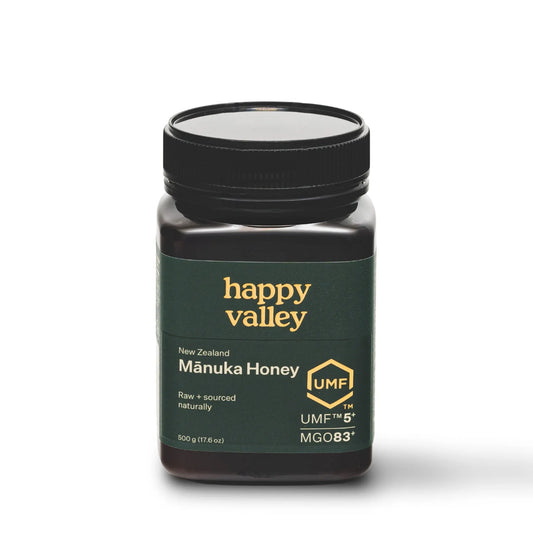
UMF 5+ is the most widely available grade of Manuka honey and the most accessible starting point for people new to the category.

At this grade, the Manuka character is present but mild. The flavour is gentle and approachable — closer to regular honey than higher grades, but with a subtle earthiness that sets it apart. UMF 5+ is commonly multifloral, meaning the nectar comes from a mix of plants including Mānuka, rather than predominantly from Mānuka alone.

Best for: Everyday cooking and baking, sweetening drinks, general food use, introducing Manuka honey to family members who prefer a milder taste.

Flavour: Light and gently sweet, mild Manuka character.

Availability: Most common, most affordable.

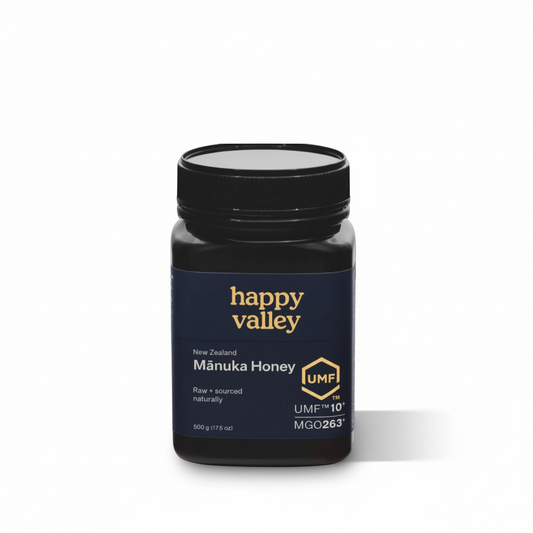
UMF 10 — The everyday choice

UMF 10+ is where monofloral Manuka honey typically begins. The nectar comes predominantly from the Mānuka plant, the flavour is noticeably different from regular honey, and the Manuka character is clear.

This is the grade most people reach for as their daily Manuka. It’s widely available, the flavour is distinct without being overwhelming, and it works across a wide range of uses — by the spoon, in drinks, on food.

At roughly NZ$2.40 per day for a 500g jar, it’s a realistic daily ritual that doesn’t require significant ongoing cost.

Best for: Daily use, morning routines, stirring into warm drinks, drizzling on food.

Flavour: Mild to medium, noticeable Manuka earthiness, approachable richness.

Availability: Widely available.

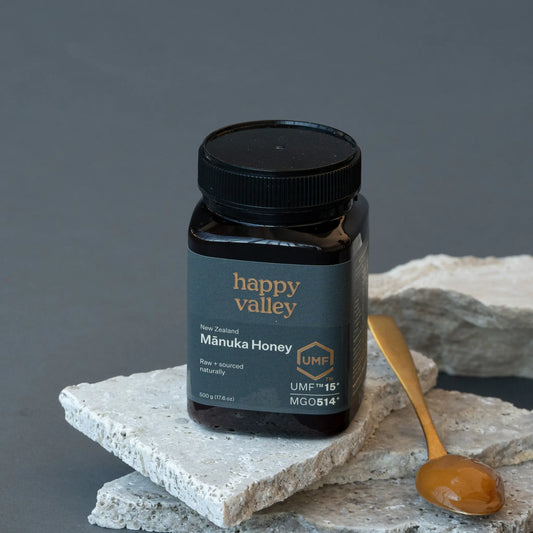
UMF 15 — The considered choice

UMF 15+ represents a meaningful step up in both flavour and concentration. The Manuka character is more pronounced, the honey is richer and more complex, and batches of this grade are produced in smaller quantities.

People who use Manuka honey regularly and want a more substantial flavour experience tend to gravitate toward UMF 15+. It’s also a popular gifting choice — distinctive enough to feel considered, but not as rarefied as the 20+ tier.

Best for: Discerning daily users, gifting, occasions where flavour matters, people who have worked up from UMF 10+.

Flavour: Medium to rich, noticeably earthy, more complex character.

Availability: Less common than UMF 10+. Not every season produces it in large quantities.

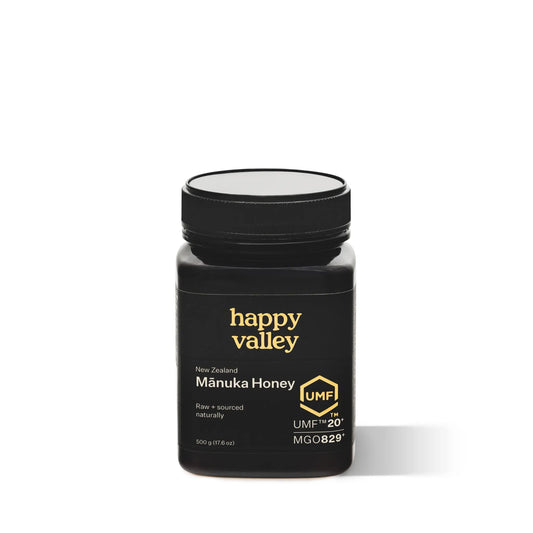
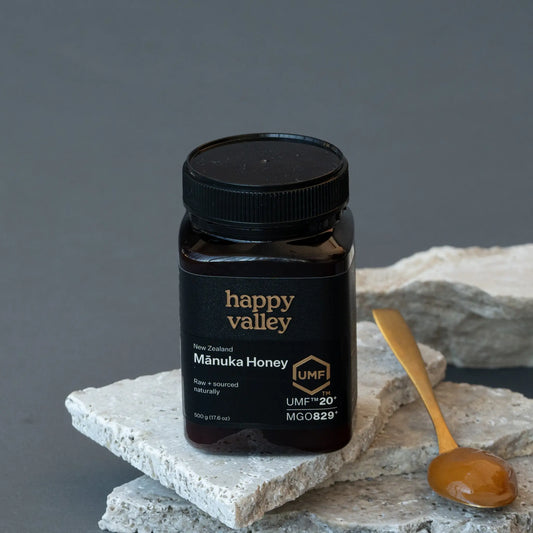
UMF 20 — The premium grade

UMF 20+ is produced in limited quantities. Not every season generates batches that reach this grade — the combination of flowering conditions, hive placement, and natural marker concentrations required to achieve it means supply is genuinely constrained.

The flavour at this level is bold, intense, and layered. It’s for people who know what Manuka honey tastes like and want the most distinctive version of it, and for gifts where quality is the message.

Best for: Premium gifting, dedicated Manuka enthusiasts, special occasions, people who want the highest independently verified grade.

Flavour: Rich and bold, complex and intense. Strongly characterful.

Availability: Limited. Not all batches from any given season will qualify.

How to choose

Here’s the practical decision tree:

If you’re new to Manuka honey: Start with UMF 10+. It’s the most widely available, the most used daily grade, and the point where Manuka’s distinctive character becomes noticeable.

If you use Manuka honey daily and want more: Step up to UMF 15+. The flavour is richer, the experience is more substantial.

If you’re buying a gift: UMF 15+ or UMF 20+. Both signal quality and are available in our most presentable jar formats.

If you prefer something milder or use it mainly for cooking: UMF 5+ does the job and doesn’t carry the premium cost of higher grades.

Need a more personalised recommendation? Use our Choosing the Right Manuka Honey tool.

A note on cost

Manuka honey gets more expensive as the grade increases because the supply is more limited and the testing more extensive. But the cost comparison that makes most sense is not against regular honey — it’s against what people already spend on other daily additions to how they eat.

A jar of UMF 10+ at Happy Valley costs roughly the same per day as a good quality probiotic supplement. A jar of UMF 15+ is comparable to a daily cold-pressed juice. The question isn’t whether it’s expensive compared to supermarket honey. The question is whether the daily ritual is worth what you’re paying for it.