

What is Manuka Honey?
If you’ve picked up a jar of Manuka honey and wondered what makes it different from the honey already in your cupboard, you’re not alone. The numbers on the label, the certification marks, the price point — it can feel like a lot to take in.
This guide covers everything. What Manuka honey actually is, where it comes from, how it’s graded, and how to know whether the jar you’re looking at is the real thing.
Where our Manuka comes from
Manuka honey is produced by bees foraging on the flowers of the Mānuka bush (Leptospermum scoparium), a plant native to New Zealand. The Mānuka bush grows across New Zealand’s hills, coastal areas, and wilderness landscapes — often in remote places that are difficult to reach.
Here’s the detail that matters: the Mānuka bush flowers for only two to six weeks each year. That short flowering window is why genuine Manuka honey is produced in limited quantities and why it carries a higher price than most honeys. Beekeepers like us at Happy Valley place hives close to Mānuka-rich areas and monitor them carefully through the season. When the window closes, it closes.
The honey bees collect nectar from Mānuka flowers and process it in the hive in the way bees have always done. What makes Mānuka honey distinctive is the composition of the nectar itself — the Mānuka plant produces compounds that are unique to this species and that become naturally concentrated in the honey over time.

How Manuka honey differs from regular honey
All honey is made by bees from flower nectar. What varies between honeys is the botanical origin — which plant or plants the nectar came from — and the natural compounds that result from that origin.
Regular supermarket honey is often a blend from many different floral sources, sometimes from multiple countries. The flavour is mild, the composition is variable, and the source is rarely traceable.
Manuka honey is different in a few specific ways:

Single floral origin.
Genuine monofloral Manuka honey comes predominantly from the Mānuka plant. This single-source origin means the composition is more consistent and traceable.
Unique naturally occurring compounds.
The Mānuka plant produces compounds — including leptosperin, DHA (dihydroxyacetone), and MGO (methylglyoxal) — that are not found in comparable concentrations in other honeys. These compounds are measurable, and their presence is used to verify the honey’s origin and grade.
Independent certification.
Genuine Manuka honey can be independently tested and certified. The UMF™ (Unique Mānuka Factor) system is the most rigorous of these certification standards. It measures multiple markers, not just one.
Traceability.
At Happy Valley, every jar is traceable back to the batch it came from, the season it was harvested, and the region where our hives are located.
Flavour.
Manuka honey has a distinctive taste — earthy, complex, and rich, with a depth of flavour that regular honey simply doesn’t have. The higher the UMF™ grade, the more intense and layered that flavour becomes.
What UMF™ certification means

UMF™ stands for Unique Mānuka Factor. It is a trademarked certification system managed by the UMF Honey Association, an independent body based in New Zealand.
To carry the UMF™ mark, a batch of honey must be independently tested by an accredited laboratory and verified against strict criteria before the grade is assigned. The grade is not self-declared by the producer — it is earned through testing.
The UMF™ system measures three key markers found in genuine Manuka honey:
MGO (Methylglyoxal)

DHA (Dihydroxyacetone)

Leptosperin

Understanding the grades
UMF™ grades run from UMF 5+ upward. Here’s a straightforward guide to what the numbers mean in practical terms:
| UMF™ Grade | Flavour profile | Approx MGO | Availability |
|---|---|---|---|
| UMF 5+ | Mild and light | ~83+ mg/kg | Most common |
| UMF 10+ | Mild to medium | ~263+ mg/kg | Widely available |
| UMF 15+ | Medium to rich | ~514+ mg/kg | Less common |
| UMF 20+ | Rich and bold | ~829+ mg/kg | Limited |
| UMF 25+ | Intense and complex | ~1200+ mg/kg | Rare |
Higher grades are produced in smaller quantities because fewer batches achieve the required marker concentrations. The shorter the flowering season, the more variable the composition — which is why genuinely high-grade Manuka honey is relatively rare and commands a premium.
There is no single “best” grade for everyone. The right grade depends on how often you use Manuka honey, your flavour preference, and what occasion it’s for. Our grade selector guide helps you work through those choices simply.

Monofloral vs Multifloral Manuka Honey
Not all Manuka honey is classified as monofloral. Understanding the difference helps you read labels more confidently.
Monofloral Manuka honey comes predominantly from Mānuka nectar. It meets a higher standard for leptosperin and other Mānuka-origin markers, and is generally graded at UMF 10+ and above.

Multifloral Manuka honey contains Manuka as a component alongside nectar from other plants. It still contains Manuka-derived compounds, but at lower concentrations. It tends to be graded at lower UMF™ levels (UMF 5+ is often multifloral) and is more widely available.
Both are genuine Manuka honey — the classification relates to floral composition, not quality or authenticity.
Vorteile
-
Verdauungs- und Darmgesundheit
Untersuchungen haben gezeigt, dass Manuka-Honig eine präbiotische Wirkung haben kann, die das Wachstum nützlicher Darmbakterien fördert und die allgemeine Darmgesundheit unterstützt.
Darüber hinaus werden Manuka-Honig potenzielle entzündungshemmende Eigenschaften zugeschrieben, die zur Verringerung von Darmentzündungen beitragen und die Verdauung unterstützen können (Quelle: „Bioaktive Naturstoffe zur Behandlung von Magen-Darm-Erkrankungen“ und „Zusammensetzung und biologische Aktivität von Honig: Schwerpunkt Manuka-Honig“). -
Winterprävention
Wissenschaftliche Untersuchungen legen nahe, dass Manuka-Honig bei der Vorbeugung von Winterkrankheiten helfen kann, indem er die Symptome von Husten, Halsschmerzen und Erkältungen lindert. Die antimikrobiellen Eigenschaften von Manuka-Honig sowie seine potenziellen entzündungshemmenden Wirkungen machen ihn zu einem natürlichen Heilmittel, das Halsreizungen lindern, Husten lindern und die allgemeine Gesundheit der Atemwege unterstützen kann.
während der Wintersaison (Quellen: "Honig als Medizin: historische
Perspektiven" und "Funktionelle Lebensmittel, die das Immunsystem stärken
System"). -
Haut
Studien haben gezeigt, dass Manuka-Honig antimikrobielle Eigenschaften aufweist, die Geweberegeneration fördert (Quellen: „Honig: ein wirksames Mittel gegen Wunden
Heilung"). -
natürlicher Süßstoff
Manuka-Honig bietet als natürlicher Süßstoff mehrere Vorteile. Er enthält natürliche Zucker wie Fruktose, die im Vergleich zu raffiniertem Zucker langsamer im Körper freigesetzt werden, was ihn zu einer gesünderen Alternative macht. Darüber hinaus enthält Manuka-Honig Antioxidantien und Wirkstoffe mit antimikrobiellen Eigenschaften, was seine einzigartigen Vorteile noch verstärkt.
-
Energie
Manuka-Honig kann aufgrund seines hohen Glukose- und Fruktosegehalts als natürliche Energiequelle dienen. Diese Zucker werden schnell vom Körper aufgenommen und stellen eine schnelle Energiequelle dar. Darüber hinaus ist Manuka-Honig reich an essentiellen Mineralien, Vitaminen des B-Komplexes und Antioxidantien, die zur allgemeinen Energieproduktion und Vitalität beitragen.
How to spot genuine Manuka honey
The Manuka honey category has a well-documented history of mislabelling. Studies have found Manuka honey sold internationally that contains little to no actual Manuka markers. For buyers, that means knowing what to look for.
-
Look for the UMF™ mark
The UMF™ logo on a jar means the batch has been independently tested and verified by an accredited laboratory. It cannot be self-applied.
-
Check the grade number
The UMF™ number should be clearly displayed alongside the logo. A number without the UMF™ mark is a different grading system and has not been through the same multi-marker verification process.
-
Look for a batch number
Genuine UMF™-certified honey is batch-traceable. If a jar has no batch information, traceability is limited.
-
Know who made it
At Happy Valley, we own the hives. Our family has been beekeeping in New Zealand since 1984. We can tell you the season, the region, and the batch that your honey came from. Many brands source bulk honey from processors and apply a label — which is not illegal, but it does limit traceability.
How Manuka honey is used
Checkout more Recipes & Drinks ideas-

By the spoon.
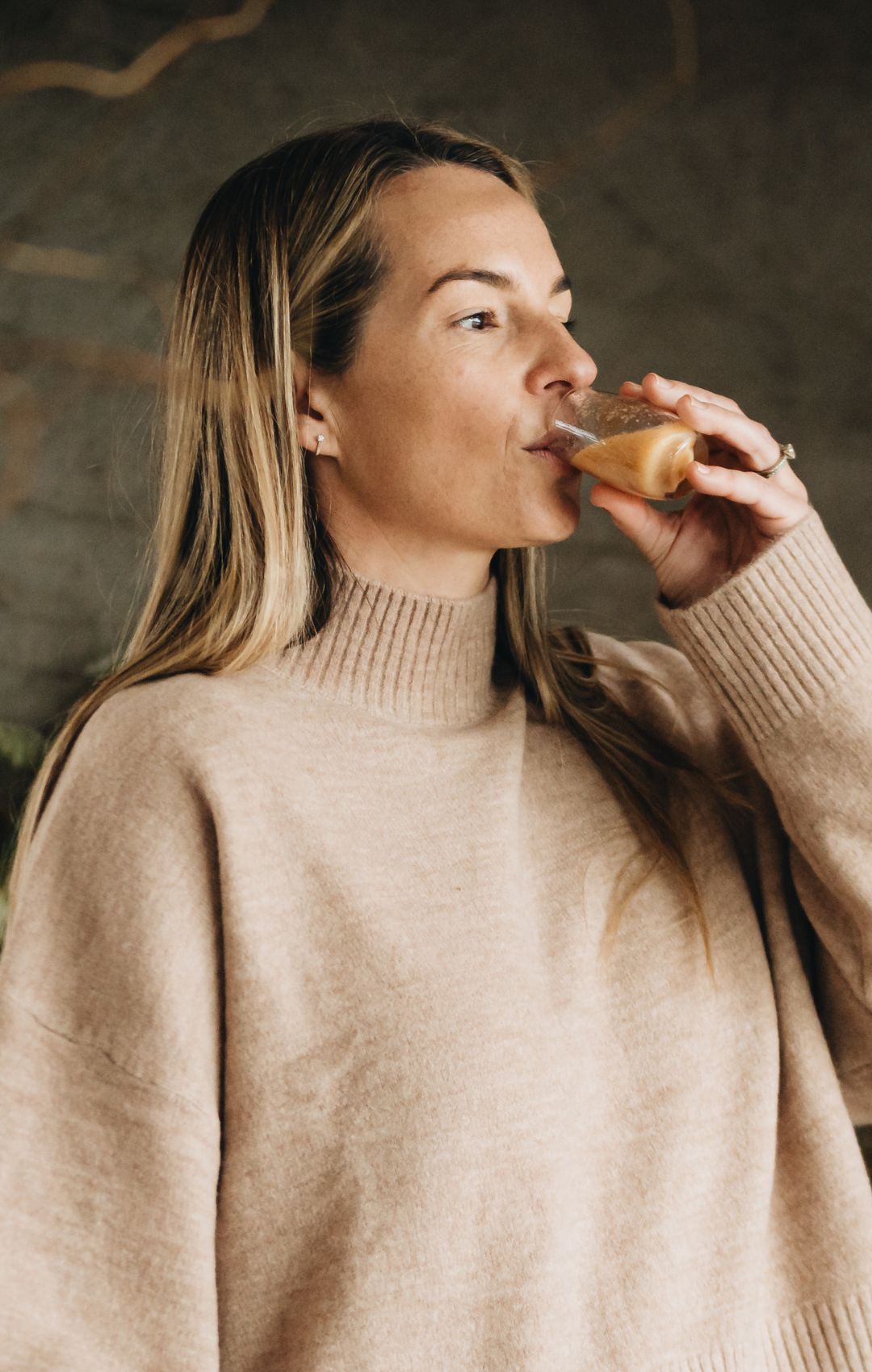
The most direct way. A teaspoon on its own, taken as part of a morning or evening ritual. This is how many people who use Manuka honey regularly choose to enjoy it.
-

In warm drinks.
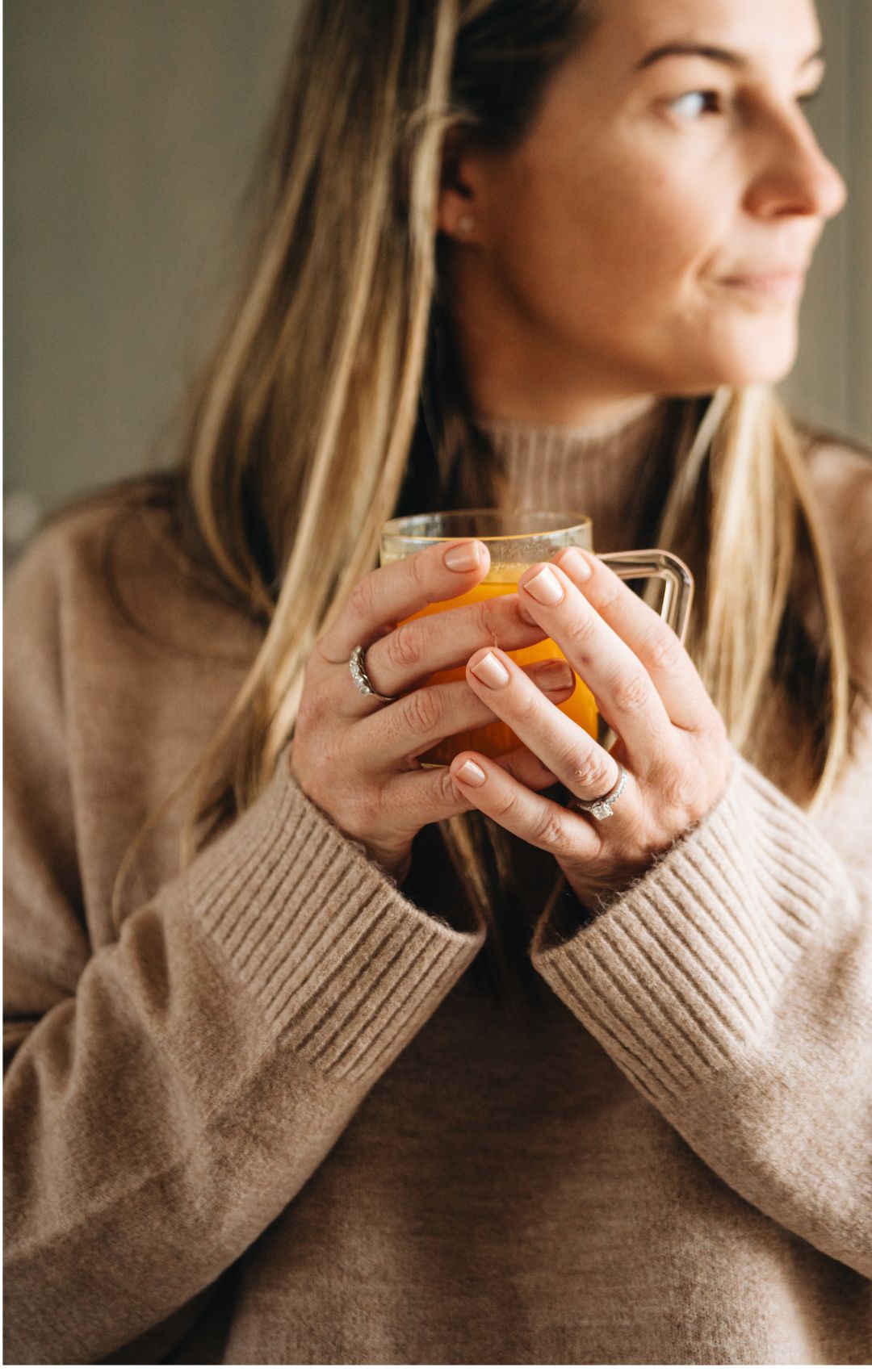
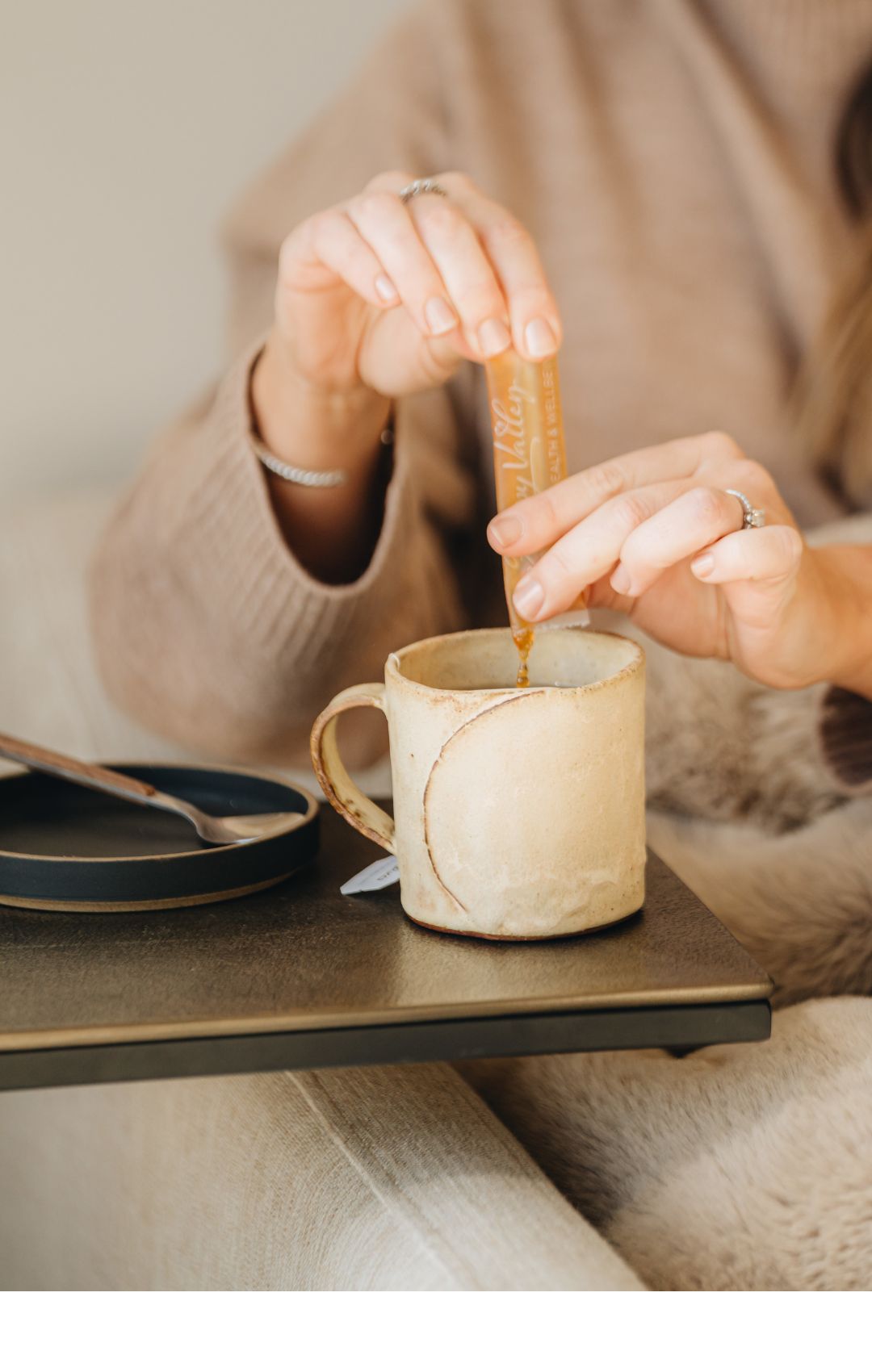
Stirred into warm water with lemon, added to tea, or blended into a warm drink. A classic pairing that lets the flavour come through.
-

On food.
Drizzled over yoghurt, porridge, toast, or cheese. Manuka honey’s earthy richness pairs particularly well with strong cheeses and dense breads.
-

In baking.
As a natural sweetener in baked goods. The flavour is noticeable in recipes where honey is a prominent ingredient.
-

In skincare.
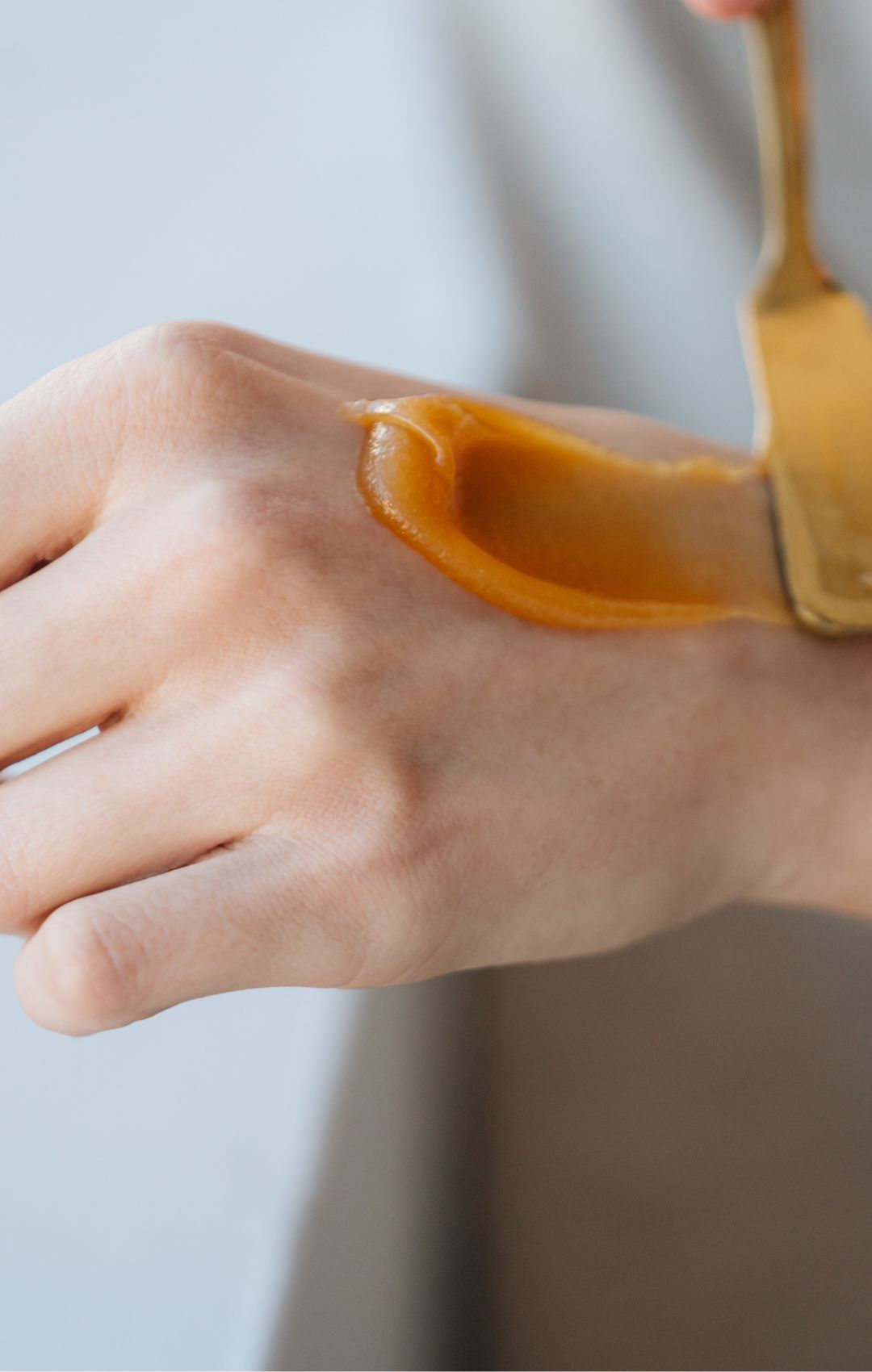
Applied directly to the skin as a natural treatment. Manuka honey is often used in face masks or spot treatments for its soothing and cleansing properties.


The

story
We’ve been beekeeping in New Zealand since 1984. What started as a family passion has grown into a full operation that covers every step of the process: hive ownership and management, honey extraction, UMF™-certified testing, bottling, and direct supply to customers around the world.
Because we own the hives and handle the honey ourselves, we can trace every jar back to its source. When you buy Happy Valley Manuka honey, you’re buying directly from the family that harvested it.
All our Manuka honey is independently tested and UMF™ certified before it leaves us. The grade on the label is the grade that was verified by an accredited laboratory — not a number we chose.

Summary: what makes Manuka honey worth knowing about
Manuka honey is a natural food from a single plant species native to New Zealand. Its short flowering season, unique naturally occurring compounds, and independent certification system set it apart from other honeys.
The UMF™ mark is your clearest indicator of genuine, independently verified Manuka honey. The grade reflects the certified concentration of Manuka-specific markers in that batch.
If you’re new to Manuka honey, UMF 10+ is a good place to start — it has a noticeable flavour


