Not all honey is the same. While many people enjoy honey as part of their everyday diet, differences in floral source, composition, and texture can influence how each variety looks, tastes, and is used. Manuka honey, in particular, is often noted as being different from regular honey — but understanding why starts with the basics.
This guide explores how honey is digested in general, what distinguishes Manuka honey from other varieties, and how people choose a Manuka grade for regular enjoyment.
How Honey Is Digested
Honey is primarily made up of naturally occurring sugars, mainly fructose and glucose, along with small amounts of water, enzymes, and other trace compounds that come from nectar and bees.
Because these sugars are already broken down, honey does not require the same processing as more complex carbohydrates. Once consumed, it is handled like other simple sugars in the diet. Different honeys can vary slightly in sugar balance, texture, and flavour depending on the flowers the nectar comes from and how the honey is produced.
This is why honey varieties can feel quite different from one another — even though they are all, at their core, honey.
Why Manuka Honey Is Often Chosen
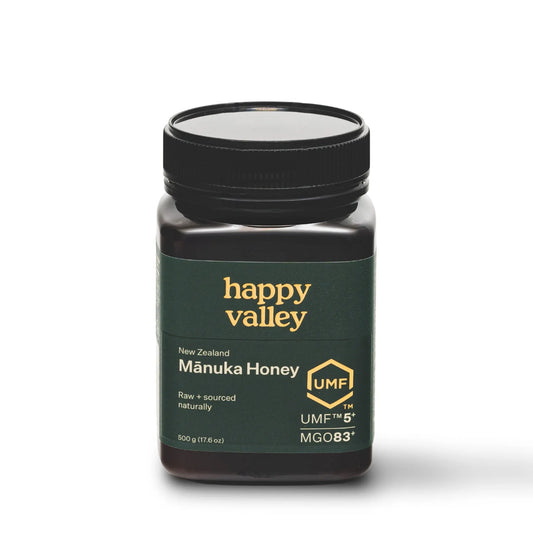
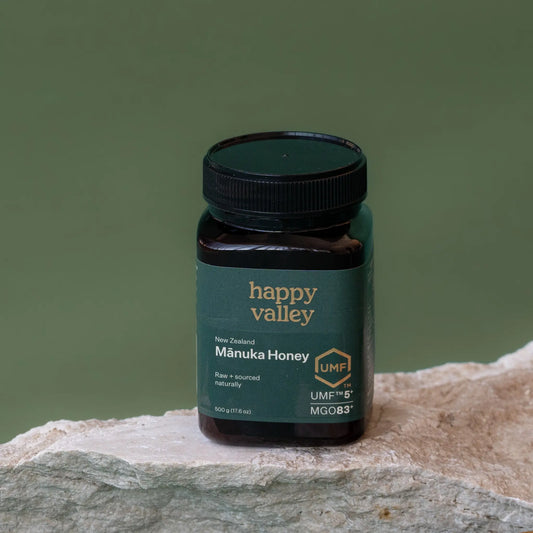
Manuka honey stands apart from regular or blended honeys due to its botanical origin. It is produced when bees collect nectar from the native New Zealand Manuka tree (Leptospermum scoparium), which flowers for only a short period each year.
Compared to lighter floral honeys, Manuka honey is typically:
- Thicker in texture
- Richer and more robust in flavour
- Produced in smaller quantities
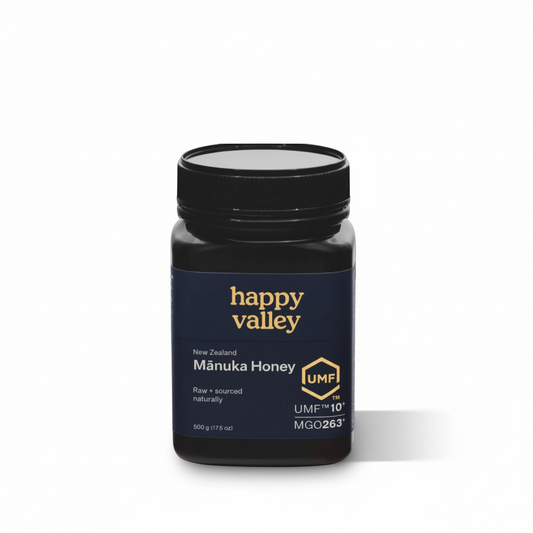
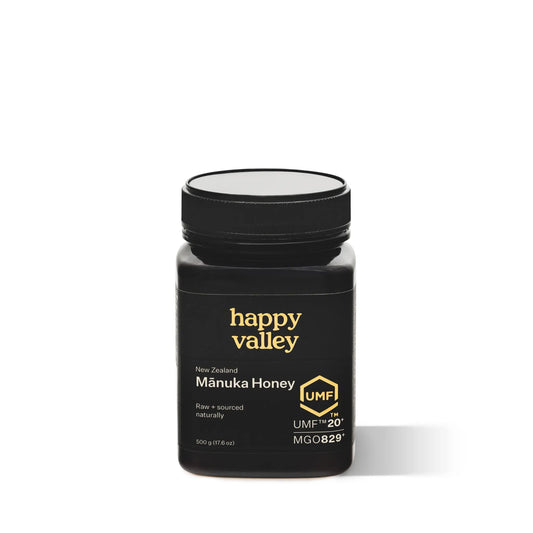
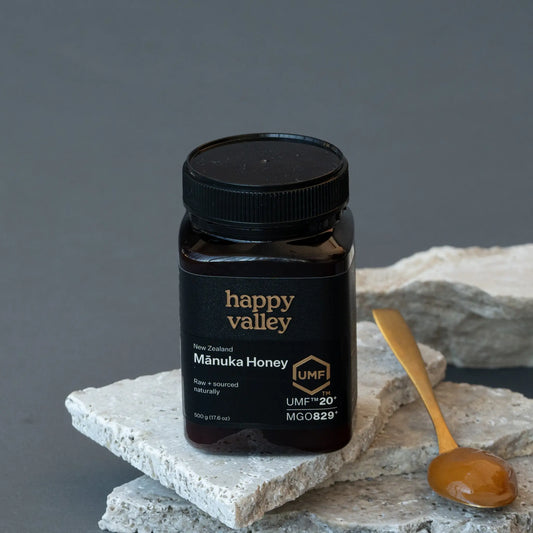
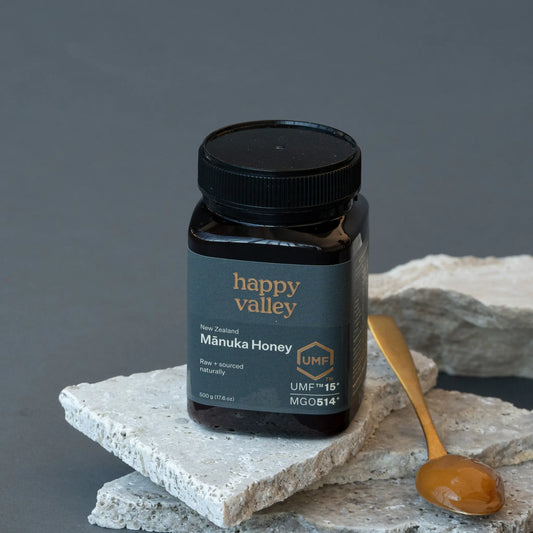
Manuka honey is also graded using recognised systems such as UMF™ (Unique Manuka Factor), which measure and classify naturally occurring markers found in Manuka nectar. These grading systems help consumers understand how each batch has been categorised, rather than relying on taste alone.
For many people, these characteristics — texture, flavour, and transparent grading — are what set Manuka honey apart from regular honey.
Choosing a Grade for Daily Use
When it comes to regular use, choosing the right Manuka honey grade is less about selecting the highest number and more about finding what suits your routine and preferences.
Lower to mid-range UMF™ grades are often chosen for everyday enjoyment due to their milder flavour and greater availability, while higher grades are typically enjoyed less frequently or for special occasions because of their intensity and limited supply.
The best place to start is understanding what the grades represent and how they compare.
Format Matters Too
How you enjoy Manuka honey can also influence what you choose. Traditional jars are popular for home use, while squeezy formats offer a convenient, mess-free option for busy days, work, or travel.
Both formats contain the same independently tested Manuka honey — the difference is simply how it fits into your daily routine.
Understanding the Difference Helps You Choose with Confidence
Manuka honey doesn’t replace other foods — it simply offers a different experience. Its distinctive texture, flavour, and clear grading systems are what make it stand out from regular honey and why many people choose it as part of their everyday pantry.
By understanding how Manuka honey differs and how grades work, you can select a honey that fits your taste, routine, and lifestyle — without overthinking the numbers.
Want to Learn More?
If you’d like a simple breakdown of Manuka honey grades and how to choose between them, we’ve created a helpful guide to get you started. Explore our education hub.
Love what you’re tasting?
Sign up to get delicious recipes, sweet wellbeing tips, and a free copy of our latest recipe book—delivered straight from our hive to your inbox.
It’s the easiest way to add a little more happiness to your day, naturally.
Discover more from our range
-
Mānuka Honey UMF® 20+
Regular price From $144.00Unit price / per -
Manuka Honey UMF® 15+
Regular price From $84.00Unit price / per -
UMF 5+ Mānuka Honey
Regular price From $20.00Unit price / per -
Mānuka Honey UMF® 24+
Regular price $200.00Unit price / per