Skip to content

Manuka Honey Around the World: How It’s Enjoyed Across Cultures

Manuka Honey Around the World: How It’s Enjoyed Across Cultures

Manuka honey may originate in New Zealand, but today it is enjoyed far beyond its native landscape. From home kitchens to cafés and gifting traditions, Manuka honey has found a place in everyday food culture across many countries — appreciated for its flavour, versatility, and clear sense of origin.

While the ways people enjoy Manuka honey may differ, the common thread is simple: it’s treated as a special food, often used with intention and care.

From New Zealand to the World

The journey of Manuka honey begins in New Zealand, where the native Manuka tree grows naturally across remote bushland and coastal regions. As international interest in traceable, origin-specific foods has grown, Manuka honey has reached households around the world — often as a premium pantry staple or a thoughtful gift.

Despite the distance it travels, Manuka honey remains closely tied to its origin. Its New Zealand provenance is central to how it is presented, shared, and understood internationally.

Manuka Honey in Everyday Food Culture

Across cultures, honey has long been used as a natural sweetener and flavour enhancer. Manuka honey fits easily into these traditions, with people adapting it to familiar foods and routines.

In many households, it is enjoyed:

  • Stirred into warm drinks
  • Drizzled over breakfast foods and desserts
  • Used sparingly in cooking and baking
  • Enjoyed by the spoon as a simple treat

Rather than replacing traditional ingredients, Manuka honey is often used alongside them — bringing its
distinctive flavour to everyday moments.

Gifting Traditions Across Regions

In several countries, Manuka honey has become a popular gift, chosen for its premium presentation and clear origin. It is often given during seasonal celebrations, family visits, or as a thoughtful gesture when travelling.

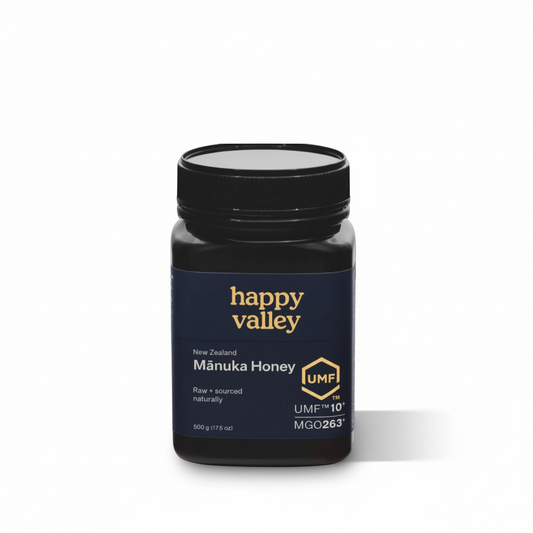
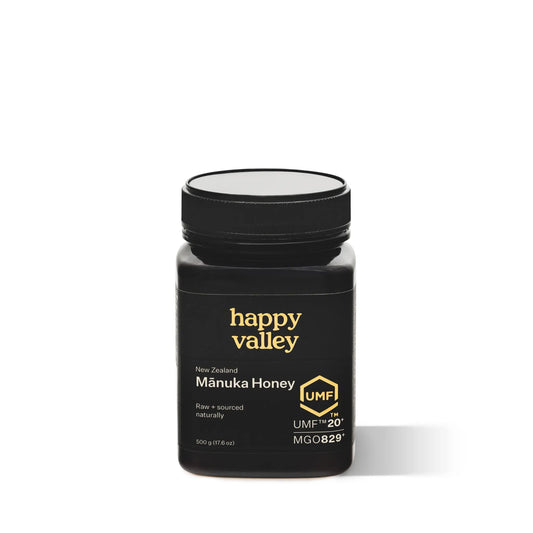
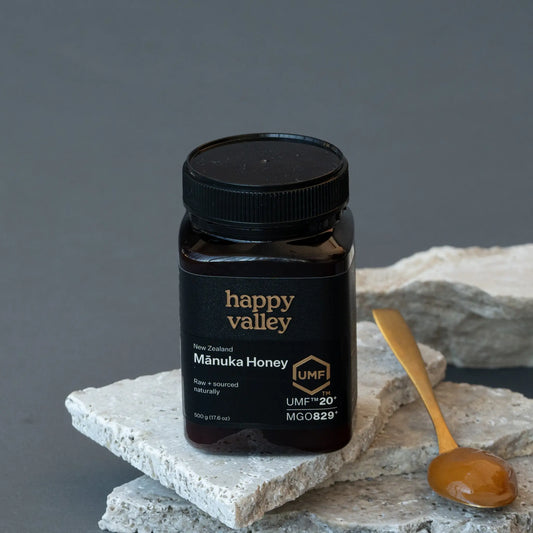
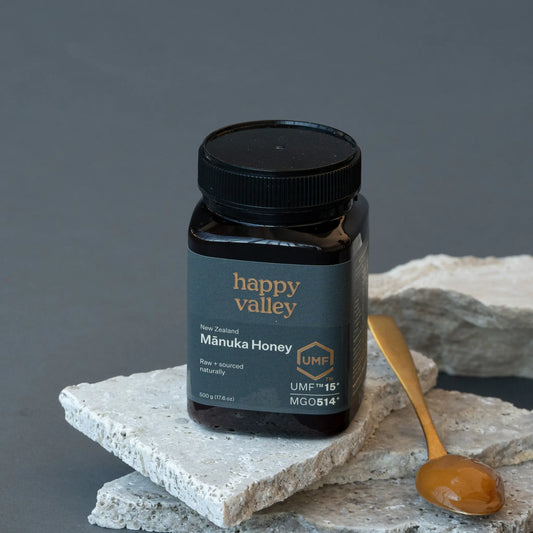
Higher UMF™ grades, limited-release jars, and well-presented packaging are commonly selected for gifting, particularly in markets where New Zealand products are associated with quality and trust. In this context, Manuka honey is appreciated as both a food and a symbol of care.

Manuka Honey in Cafés and Modern Kitchens

Beyond the home, Manuka honey has also found its way into cafés and contemporary kitchens. Chefs and baristas use it in small amounts to add depth of flavour to drinks, desserts, and simple dishes.

Its rich colour and robust taste make it especially suited to recipes where the honey is meant to be noticed rather than blended away. In this way, Manuka honey is treated as an ingredient to be showcased, not hidden.

A Shared Appreciation for Origin and Craft

What connects these different cultural uses is a shared appreciation for where Manuka honey comes from and how it is produced. Across regions, people are drawn to foods that feel authentic, traceable, and connected to a specific place.

Manuka honey’s story — from the New Zealand bush to kitchens around the world — gives it meaning beyond its flavour alone. It becomes part of a broader appreciation for craftsmanship, seasonality, and care.

Enjoyed Differently, Valued the Same

While the ways Manuka honey is enjoyed may vary from country to country, its role is often similar: a carefully chosen food, enjoyed in small moments and shared with others.

Whether stirred into a morning drink, served at the table, or given as a gift, Manuka honey continues to be appreciated across cultures for what it represents — a connection to place, tradition, and thoughtful enjoyment.

Stay Connected

If you enjoy learning about how Manuka honey is used and shared around the world, we’d love to keep in touch.

Subscribe for Manuka stories & recipes below!